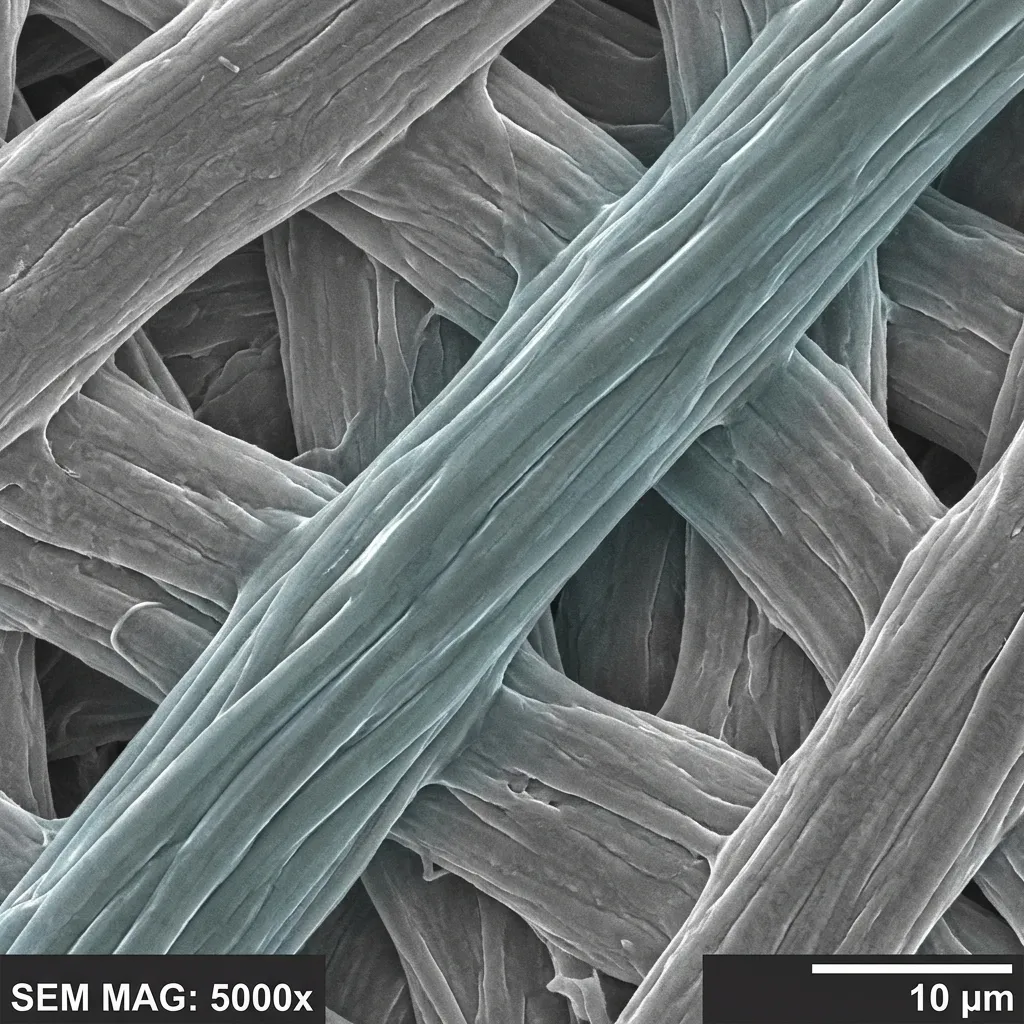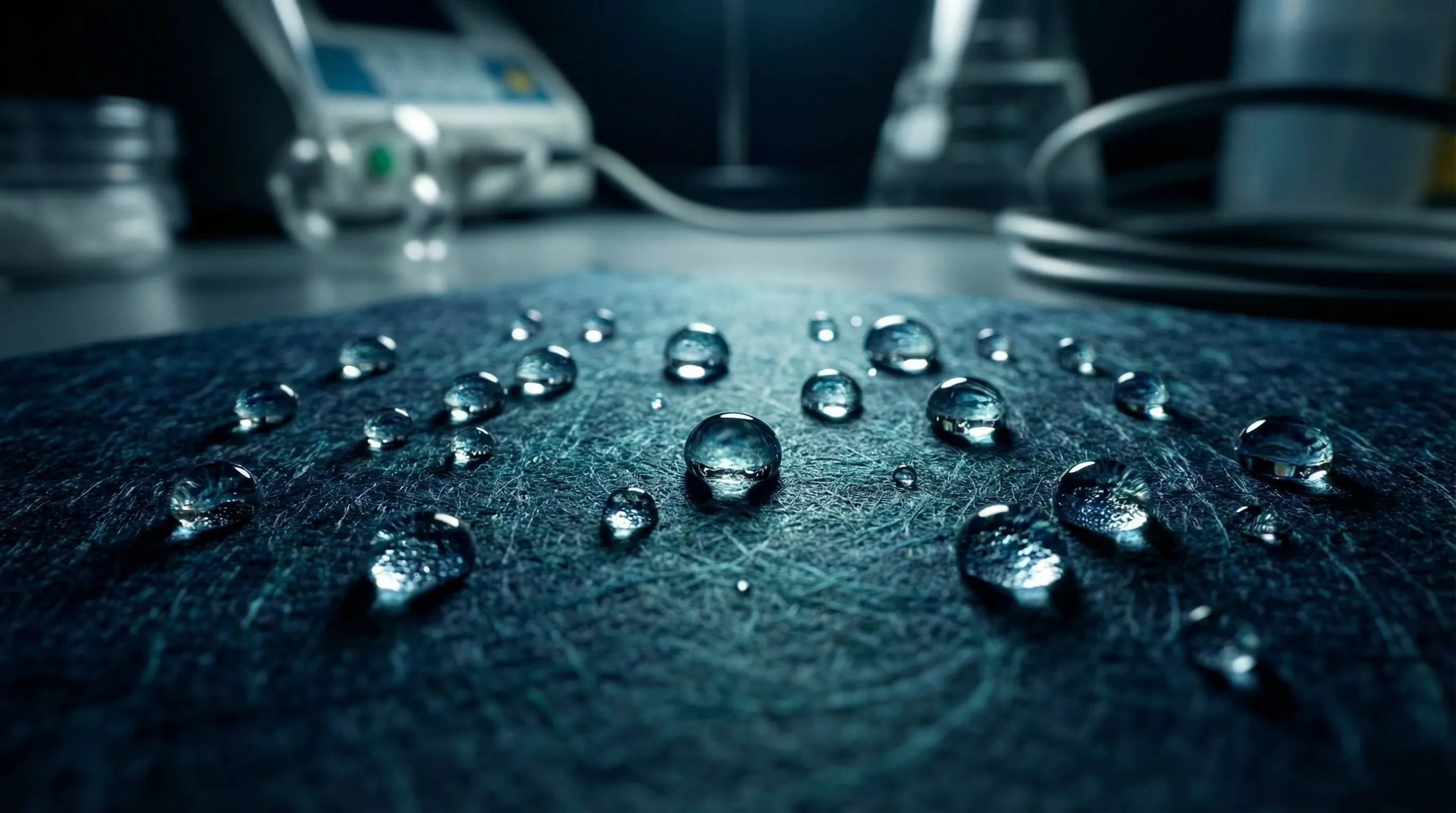

Water droplets beading on BEST-treated cellulose paper surface demonstrating hydrophobic barrier performance
BE Sustainable Technologies, LLC

Advanced Hydrophobic Chemistry for Cellulose Materials

Proprietary molecular modification technology that delivers water repellency and increased strength to paper and cellulose-based substrates.

>120°
Contact Angle
98%
Repulpable
Patented
Technology
Strength
Enhanced Performance

Engineered Sustainability at the Molecular Level

BE Sustainable Technologies develops proprietary chemical formulations that fundamentally modify the molecular properties of cellulose-based materials. Our technology platform addresses the critical gap between sustainability requirements and material performance in industrial applications.

Unlike conventional barrier coatings that rely on PFAS, wax, or polyethylene lamination, BEST chemistry provides increased strength and creates durable hydrophobic performance while increasing repulpability and recyclability. Our formulations are applied at existing paper mill wet-end stations with no additional capital expenditures required.

We partner directly with paper mills, specialty chemical distributors, and product manufacturers to deliver enhanced, molecularly modified materials for packaging, warehousing, transportation of goods, construction, horticulture, agricultural products and myriad other applications.

Explore Chemistry View Products
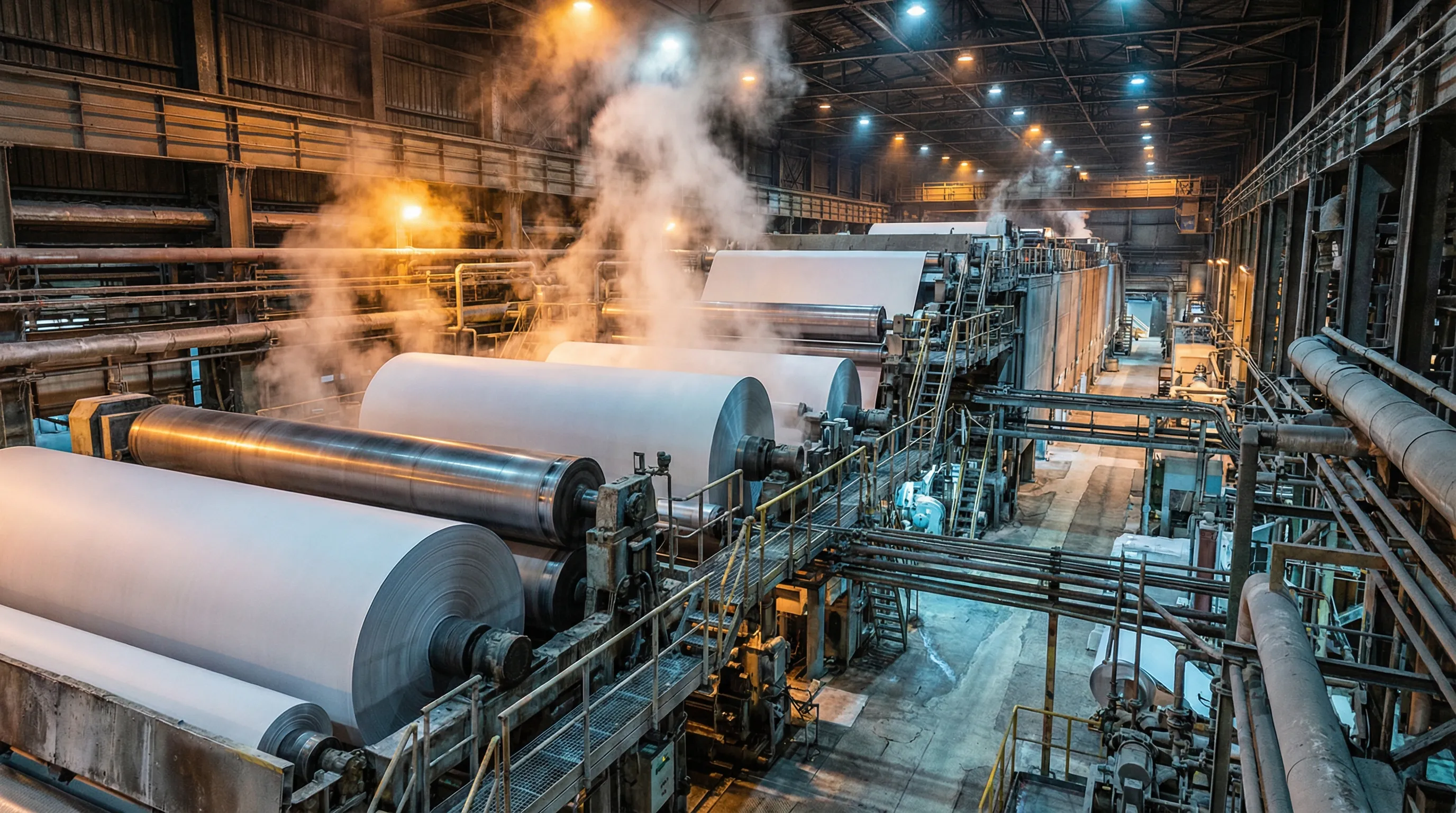
Industrial paper mill production equipment where BEST chemical treatments are applied
  BEST treatments integrate at existing paper mill wet-end stations
BEST diamond motif: Reduce, Reuse, Recycle, Remarkable
Reduce, Reuse, Recycle…
Remarkable

Four-Stage Molecular Modification Platform

BEST's proprietary process exploits sequential physicochemical mechanisms to achieve durable, multi-functional performance on cellulose substrates.

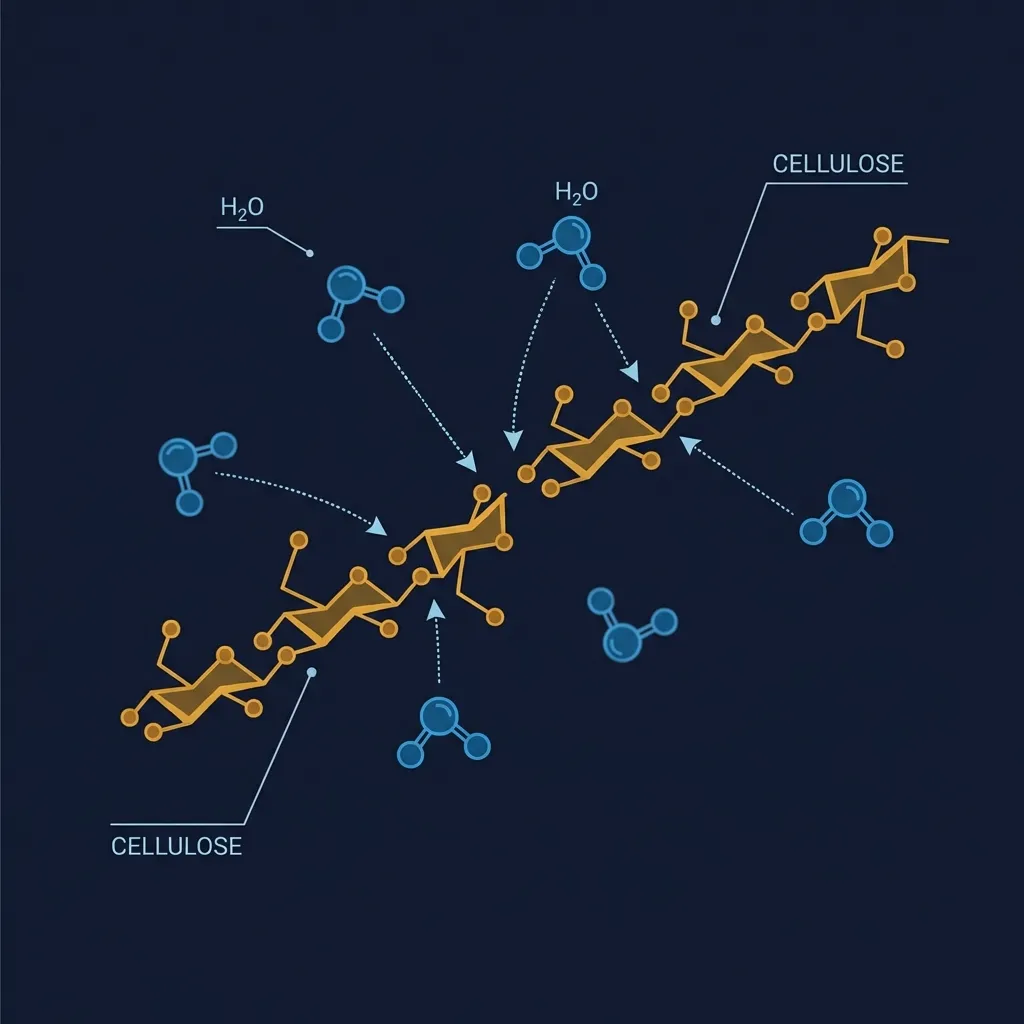
STAGE 01
Hydration: cellulose fibers treated with silane emulsion

Hydration

Hydrated cellulose in the pulp state is treated with an emulsion mixture of highly dispersed alkyl silanes to create a strong physical bond to the fibers. The key to even treatment is high dispersion. Once the emulsion mixture is added to the hydrated pulp, it disperses rapidly, within a few minutes, to spread evenly throughout the agitated pulp. Reaction kinetics are controlled through temperature to optimize silanol density without degrading fiber integrity.
STAGE 02
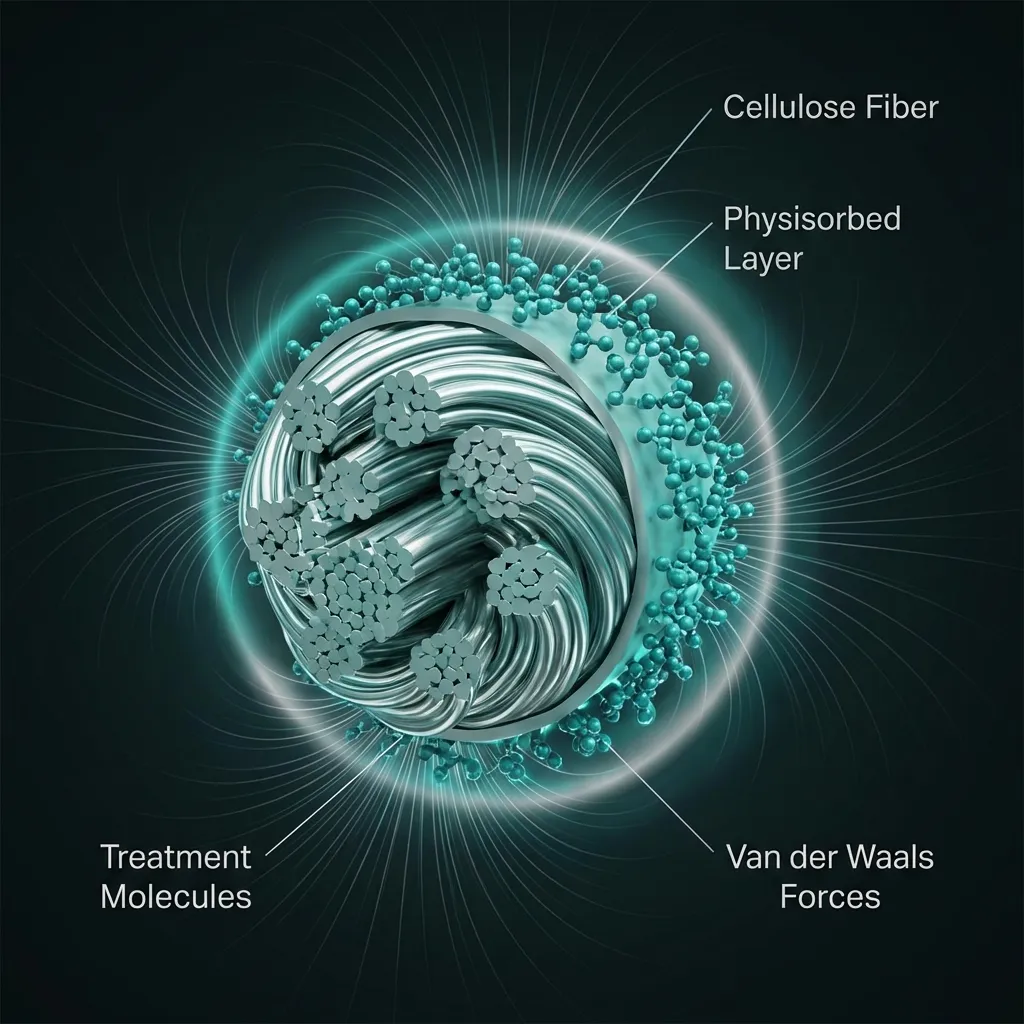
Physisorption: treatment molecules adsorbing onto fiber surface

Physisorption

Following dispersion, treatment molecules undergo spontaneous physisorption onto the cellulose fiber surface through van der Waals and hydrogen-bonding interactions. This non-covalent adsorption stage establishes a uniform molecular monolayer across the accessible fiber surface area. The physisorbed layer serves as a templating mechanism, positioning reactive functional groups at optimal orientation and density for subsequent covalent bond formation. Surface coverage is monitored via contact angle progression.

STAGE 03
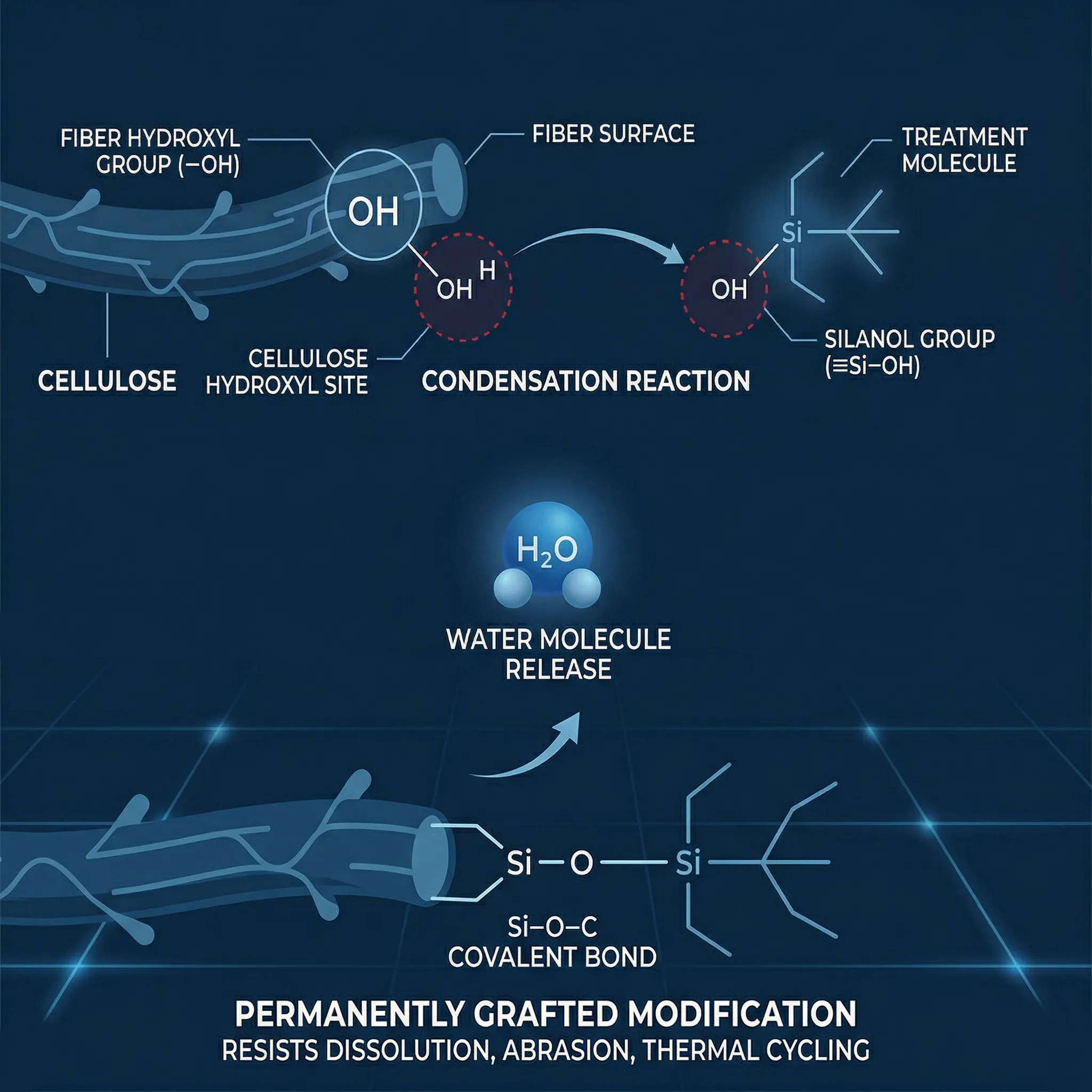
Covalent bonding: condensation reaction forming Si-O-C bonds between treatment molecule and cellulose fiber

Covalent Bonding

The critical third stage converts physisorbed molecules to permanently grafted modifications through condensation reactions between silanol groups and cellulose hydroxyl sites. Si–O–C covalent bonds are formed at the fiber-treatment interface, creating a chemically robust anchor that resists dissolution, abrasion, and thermal cycling. Cross-linking between adjacent silane molecules further reinforces the treatment layer, building a three-dimensional polysiloxane network on the fiber surface.

STAGE 04
Curing: cross-linked hydrophobic network with water repulsion

Curing

Thermal curing completes the molecular modification by driving residual condensation and optimizing the cross-linked polysiloxane network architecture. Controlled heating at process-compatible temperatures (compatible with existing paper machine dryer sections) promotes full network densification. The resulting repulpable material exhibits stable hydrophobic characteristics with contact angles exceeding 120°.

Simulation

Surface Wettability

Adjust the concentration of our advanced cellulose additive (Ch) to observe the transition from a hydrophilic baseline to a stable superhydrophobic state.

AUTO
Additive Conc.
Contact Angle (θ) (deg)
State: Hydrophilic (Wetting)
FIG 1. DROPLET PROFILE

Performance-Enhanced Cellulose Products

Each product leverages our core chemistry platform, optimized for application-specific performance requirements and manufacturing compatibility.

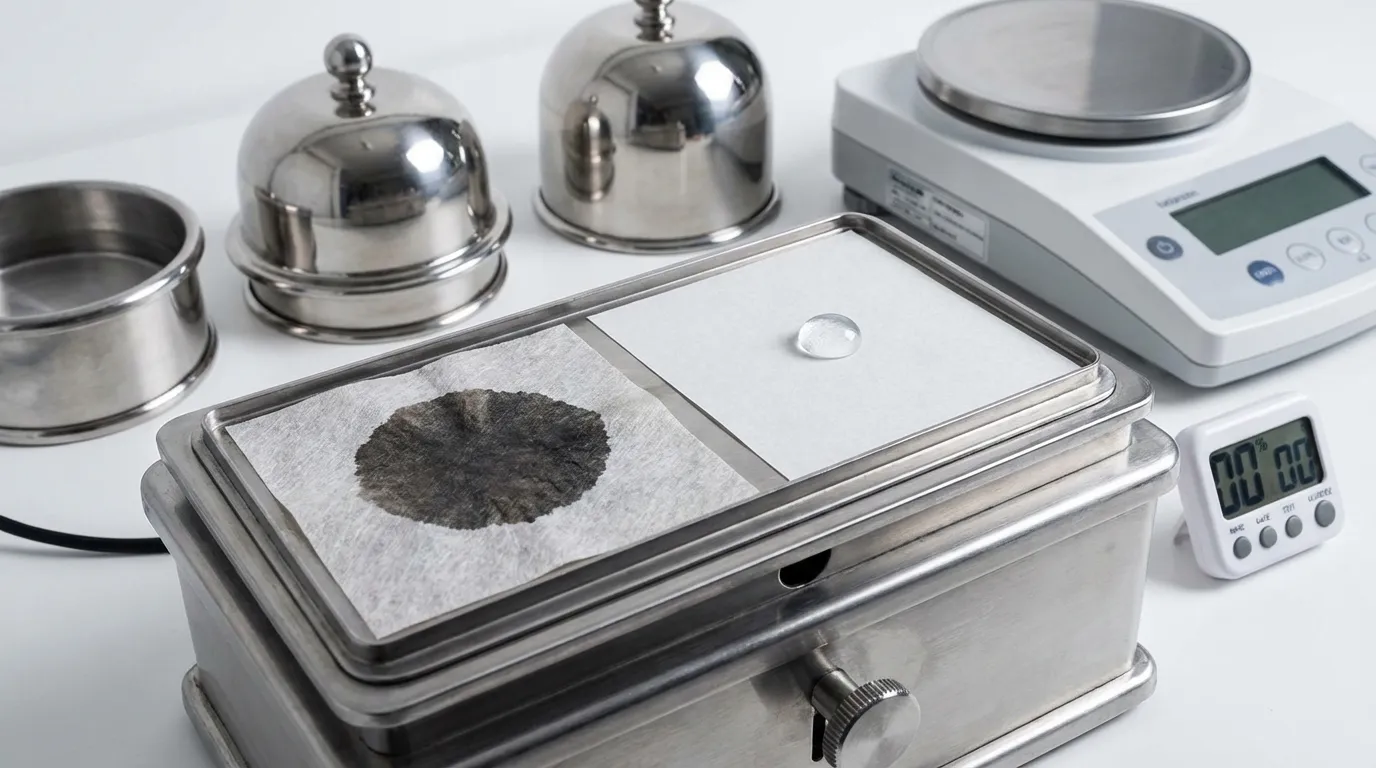
Cobb test showing water beading on BEST-treated paper versus untreated control

The BEST Solution™, Paper

  • Increased strength and Cobb value reduction >70% vs. untreated control
  • Full repulpability maintained
  • PFAS-free barrier chemistry
  • Compatible with wet-end application
  • No additional capital expenditures required
  • Applications: rail dunnage, tubes, corner boards, moldings — pre-load, load, and post-load protection
  • Resists mold, mildew, and moisture-driven breakdown
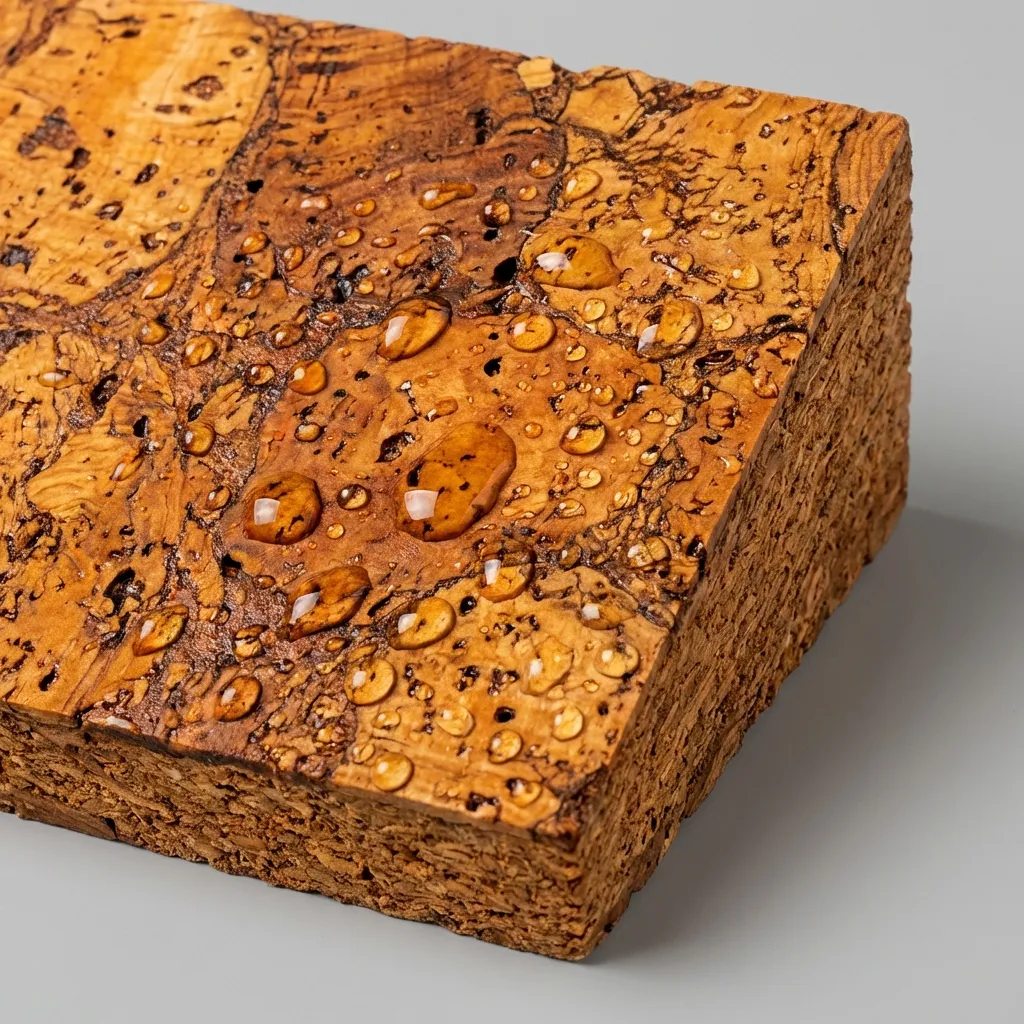
BEST-treated corkboard panel showing hydrophobic surface treatment

The BEST Cork™

  • Hydrophobic corkboard for construction and insulation
  • Enhanced acoustic insulation properties
  • Mold resistance
  • Thick compressible network of treated fibers that feels like natural cork
  • Buoyant in water for marine and aquatic applications
Biodegradable BEST-treated paper flowerpot with healthy plant

The BEST Flowerpot™

  • Molded cellulose pot with controlled water resistance
  • Biodegradable in soil after useful service life
  • Available in multiple sizes for diverse applications
  • 4-color printing available for custom branding
  • Replaces plastic nursery containers
  • Design Patented
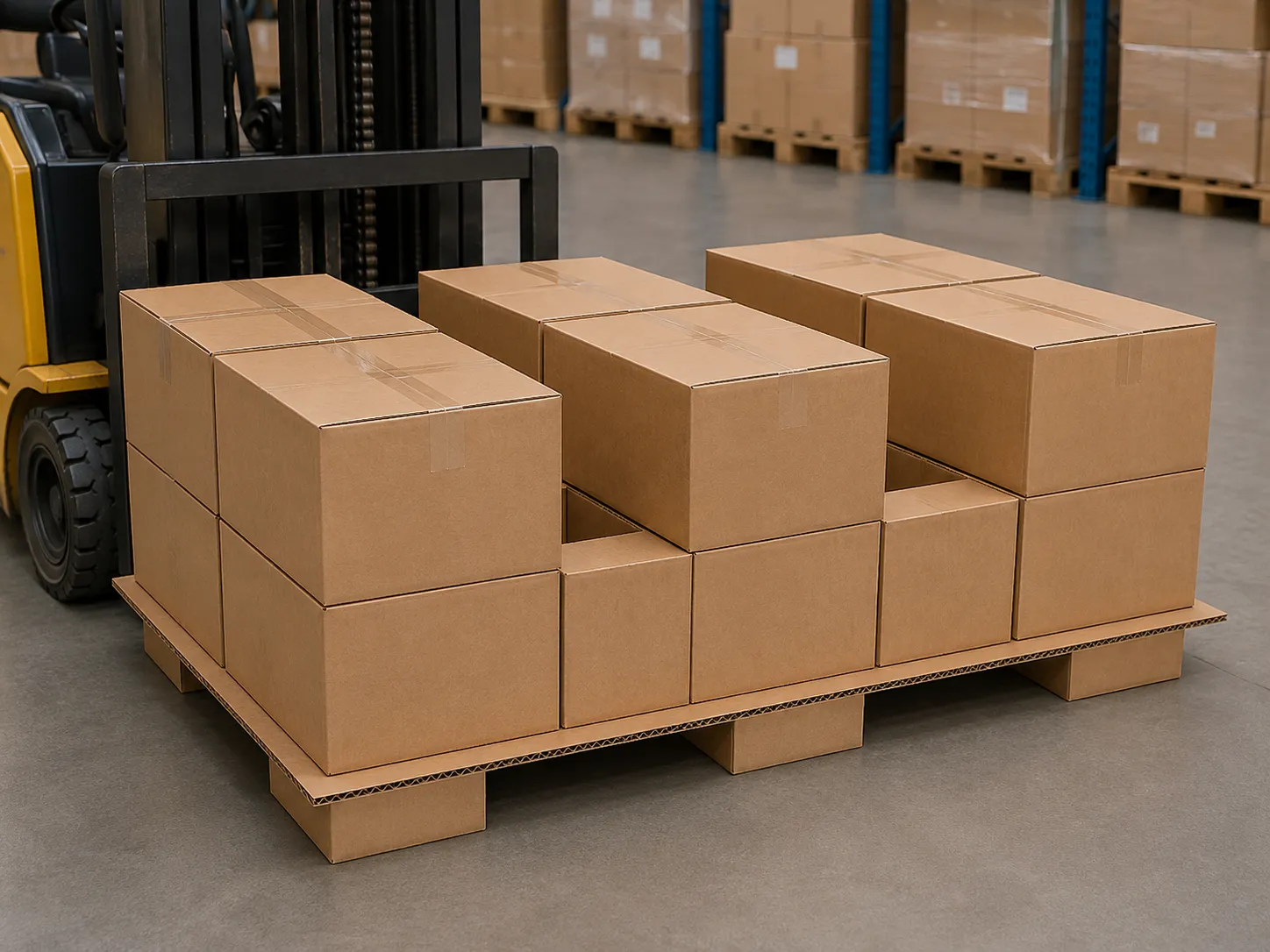
BEST-treated paper pallet in industrial warehouse showing water resistance

The BEST Pallet™

Product Line Includes:
  • Nestable 6-leg Pallet
  • Nestable 3-leg Pallet
  • BEST Pallet Deck
  • Paper-based pallet with hydrophobic reinforcement
  • Crushed at 21,000 lbs — tested at Virginia Tech Center for Packaging and Unit Load Design
  • Moisture resistance for cold-chain and humid storage
  • Independently testable — third-party validation available
  • Fully recyclable in standard paper streams
  • Nestable design — reduced shipping and storage costs vs. wood/plastic
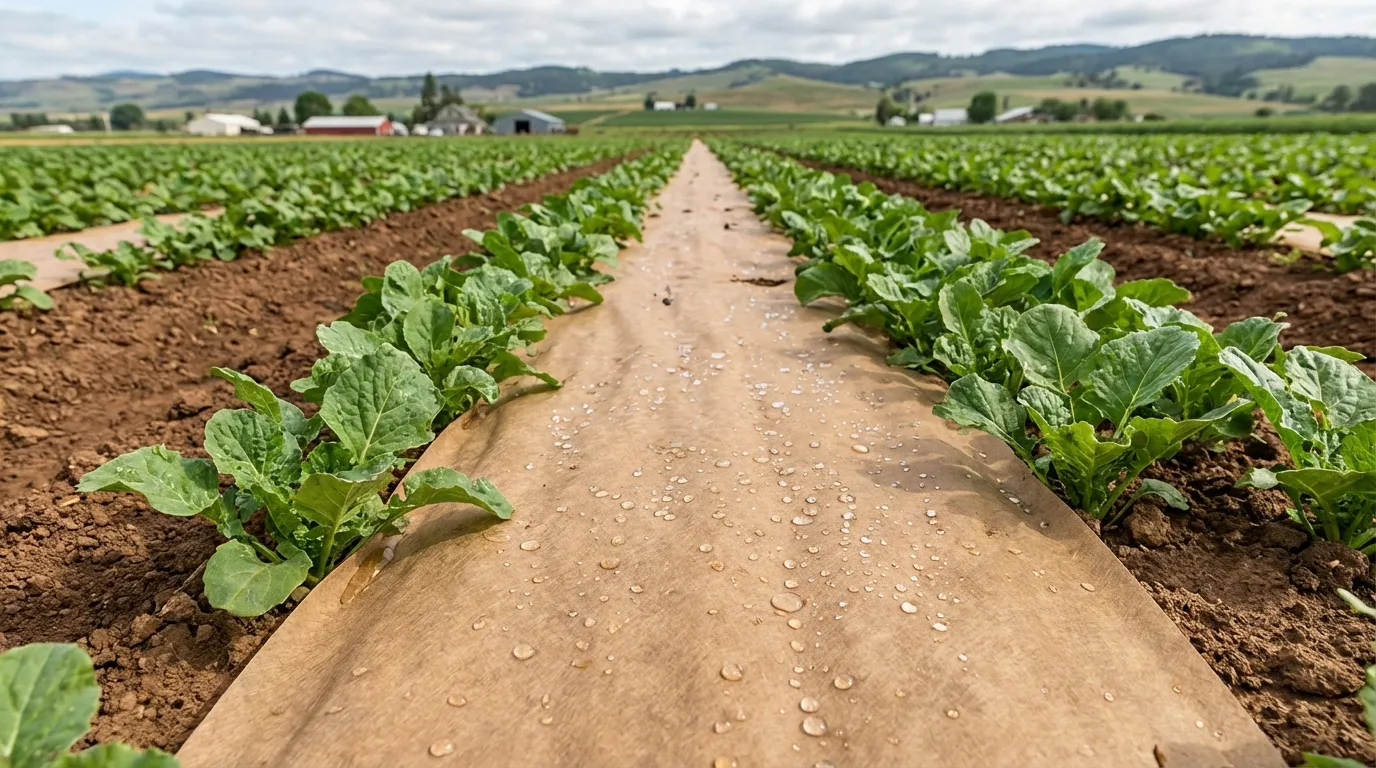
BEST-treated agricultural weed block in crop field

The BEST Agricultural Products™

Product Line Includes:
  • Weed Block
  • Tree Skirts
  • Garden Stakes
  • Paper-based alternatives to plastic agricultural films
  • UV-stabilized hydrophobic treatment for outdoor durability
  • Biodegradable at end of life — no microplastic residue
  • Weed suppression performance comparable to PE film

Patent Portfolio

BEST’s technology platform is protected by issued U.S. patents covering both our core hydrophobic cellulose treatment process and our proprietary product designs.

Utility Patent
US 9,605,384 B2

Hydrophobic Paper, Cardboard, and Packaging

Granted March 28, 2017
Priority February 22, 2010

Covers the manufacturing process for producing inherently water-resistant paper by incorporating alkoxysilane compounds directly into cellulose pulp. The silane residue bonds uniformly throughout the sheet via Si–O bonds during standard papermaking—no surface coatings or PFAS required.

Key Claims
  • Process for manufacturing hydrophobic paper from alkoxysilane-treated cellulose pulp through sheet forming, compression, and drying
  • Silane residue substantially uniformly distributed and bonded to cellulosic fibers predominantly through Si–O bonds
  • Aqueous-medium formulation compatible with existing paper mill equipment at standard processing conditions
View on Google Patents
Design Patent
US 11,304,381 B2

Decomposable Plant Container with Rings and Related Methods

Granted April 19, 2022
Filed November 4, 2019

Patented modular plant container constructed from decomposable cellulose-based materials. Interlocking slot-and-tab design allows flat shipping and on-site assembly. The entire container biodegrades in soil—no pot removal required at planting.

Key Claims
  • Vertical wall with vertically aligned slot sets, panel bottom with tabs, and structural support rings
  • Flat-pack components assembled via opposing coplanar tab sets into slot sets
  • Constructed entirely from decomposable material for in-soil biodegradation
View on Google Patents
2
Issued U.S. Patents
Process & Product
Coverage Scope
PFAS-Free
Regulatory Advantage

Built by Scientists, Driven by Market

Rich Lacour headshot

Rich Lacour

Co-founder & Chairman of the Board of Directors

Serial entrepreneur with deep experience in specialty chemical commercialization. Identified the market gap for PFAS-free hydrophobic treatments and assembled the technical team to develop BEST's core chemistry platform. Leads strategic partnerships with paper mills and distribution channels.

Mark Parrish headshot

Mark Parrish

Chief Executive Officer & Board Director

Proven leader in company transformation and shareholder value creation. Deep knowledge of industrials and technology with senior leadership experience at brands including Harley-Davidson, Simmons mattress and Igloo coolers (CEO). MIT-educated, with dual Master degrees in engineering and management and a distinguished graduate of West Point.

Fred Lowder headshot

Fred Lowder

Chief Commercial Officer

37-year career in petroleum and specialty chemicals. Industrial chemist by training with significant experience in technical leadership and strategic sales management. Expert in finding novel applications and expanding to new markets.

Dr. Robert Morton headshot

Dr. Robert Morton

Chief Science Officer

Materials scientist, analytical chemist and surface chemistry specialist with nearly 50 years of experience and an expertise in organosilane systems and cellulose modification. Architect of BEST's four-stage treatment process. Named inventor on pending patent applications.

Gary Bailey headshot

Gary Bailey

Project Manager

55+ years of leadership in paper and packaging, including ownership of corrugated and sheet manufacturing operations. Founded Nil‑Wax in 1992 to commercialize water‑resistant coating technologies. Led global operations across Mexico, Central America, Nigeria, and Japan from 2005–2015, and co‑founded BEST LLC in 2015.

Valerie Cuba headshot

Valerie Cuba

Chief Legal Officer

Drives strategic growth initiatives and partnership development. Identifies high-value market opportunities and builds relationships with key stakeholders across the specialty chemicals and packaging industries.

Validated Results Across Key Metrics

Independent testing and third-party validation support every performance claim.

Outperforms the Industry Standard — Matched Dosage Head-to-Head
BEST Treatment vs. Industry-Standard ASA Sizing at 1.0% dosage — independent Round 2 benchtop testing
18× lower
346.6
18.9
ASABEST
Cobb120g/m² · lower is better
+24%
11.44
14.15
ASABEST
TensilekN/m
+35%
7.39
9.95
ASABEST
Mullenpsi
+7%
20.89
22.35
ASABEST
Ring Crushlb
Contact Angle
>120°
Static water contact angle (goniometer)
Repulpability
98.9%
Fiber recovery yield per WMU Repulpability Process (Part 1) — both test sets pass (threshold ≥85%)
Set 1
98.8%
Set 2
99.0%
↑ 85% pass threshold
Source: Western Michigan University · Repulpability Process (Part 1) · March 13, 2025 · View report
Third-Party Recyclability
Independent staged verification protocol
Stage I Verified
Stage II In progress
Acoustic Insulation
NRC 0.65
Noise Reduction Coefficient — BEST Cork
0.0 · Reflective 1.0 · Absorptive

Start a Technical Conversation

Our team is available for technical discussions, sample requests, and NDA-protected data sharing.

Direct Contact

Office
4399 Commons Drive East, Suite 300
Destin, FL 32541

Confidential Data Access

Certain performance data (contact angle measurements, proprietary formulation details) are available under NDA. Submit a request to initiate the process.

Technical Inquiry